Hurricane Damage Insurance Claims in Florida
After a hurricane, what you do in the first days shapes your whole claim. Here's how to protect your Florida property, and how a licensed public adjuster can document the full loss and fight for a fair settlement.
⚠ Storm Response
Hit by Hurricane Isaias?
If Hurricane Isaias damaged your Florida property, don't wait. Document everything and get a free claim review before you settle. We work for you, not the insurance company.
Storm Response
Hurricane Isaias Claim Help for Florida Property Owners
Last updated: October 15, 2026
Hurricane Isaias made landfall near Destin, Florida on the evening of October 9, 2026 as a strong Category 2 storm, with maximum sustained winds around 105 mph. The center passed roughly 40 miles east of Pensacola, where wind gusts still reached about 100 to 102 mph. Across the Florida Panhandle, the storm brought damaging winds, flooding rain, storm surge, and tornado threats.
If your home or business in Pensacola, Destin, or anywhere across Northwest Florida was affected, what you do in the first days shapes your whole claim. Our licensed Florida public adjusters work for you, not the insurance company, to document the full loss and pursue a fair settlement. See our Florida coverage.
What to document after Isaias
Damage from a Category 2 landfall is often more extensive than it first looks. Photograph and video everything before cleanup, and pay close attention to:
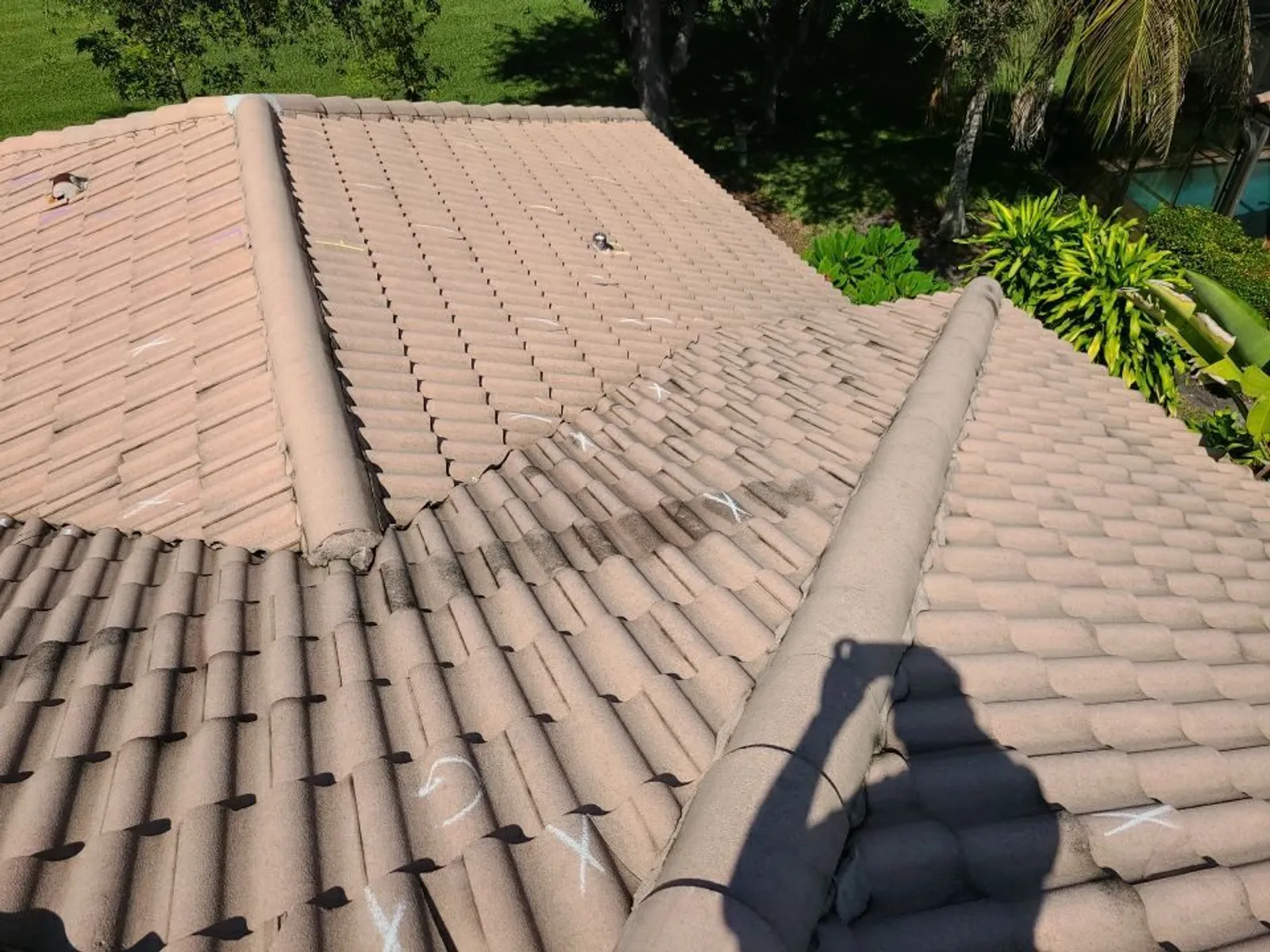
- Roof damage: lifted, cracked, or missing shingles and tiles, including damage that isn't visible from the ground.
- Wind damage: siding, soffits, fascia, windows, screens, fences, and outbuildings.
- Water intrusion: wind-driven rain and surge that soak walls, ceilings, flooring, and insulation, often surfacing as stains or mold weeks later.
- Interior and contents: damaged drywall, cabinetry, electronics, flooring, and belongings.
Make reasonable emergency repairs to prevent further damage (tarp the roof, board windows, dry out water), and keep every receipt and invoice. Those costs are typically part of the claim.
If the insurer's estimate seems incomplete, or the offer doesn't reflect the full scope of what you documented, it's worth having it reviewed before you settle. Our fees are contingency-based and subject to applicable state law and the terms of your written agreement.
Florida takes the brunt of Gulf and Atlantic storms
From the Panhandle to the Gulf coast to South Florida, hurricanes and tropical storms bring wind, storm surge, flooding, and driving rain that can cause serious, and often hidden, property damage. Insurers frequently underestimate the full extent of a storm loss, especially moisture intrusion and roof damage that isn't obvious from the ground.
As public adjusters, we work for you, not the insurance company. We can take over a hurricane claim at any stage: before you file, after the carrier's inspection, after an offer, or after a denial. We document the complete loss and handle the claim and negotiation on your behalf.
Homeowner Guide
What to do after hurricane damage
Six steps that protect both your property and your insurance claim in the days after a storm.
Document everything first
Before you clean up or start repairs, photograph and video every area of damage: the roof, exterior, interior, and belongings. Wide shots and close-ups. Thorough documentation now is the single best thing you can do for your claim later.
Make emergency repairs and keep receipts
Your policy expects you to prevent further damage (tarp the roof, board windows, stop water). Do what's reasonable to protect the property, and keep every receipt and invoice. Those costs are typically part of the claim.
Don't discard damaged items too soon
It's tempting to haul everything to the curb, but damaged materials and belongings are evidence of your loss. Document them thoroughly before disposing of anything, and keep samples where you can.
Review your coverage and deadlines
Read your policy for what's covered, your hurricane deductible, and any deadlines for reporting and filing. Florida policies and law set time limits on hurricane claims, so it's worth acting sooner rather than later.
Watch for hidden roof and water damage
The most underpaid hurricane damage is the damage you can't see from the ground: lifted or cracked roofing, wind-driven rain, and moisture intrusion that surfaces as stains, warping, or mold weeks later. See our roof and water claim pages for how we document it.
File your claim, then review the full scope before settling
Report your claim promptly. When an offer comes, don't accept a settlement you're unsure about before the full scope of damage has been reviewed. The first number rarely reflects hidden damage or today's rebuild costs.
Avoid These
Common hurricane-claim mistakes
Under-documenting the loss
A few phone photos aren't enough for a major claim. Gaps in documentation are the easiest way for damage to go unpaid.
Throwing out damaged property
Discarding materials and belongings before they're documented removes the proof of what you lost.
Missing policy deadlines
Hurricane claims have reporting and filing time limits. Wait too long and the claim can be denied on timing alone.
Settling before the full scope is assessed
Accepting an offer before hidden roof, water, and structural damage is fully evaluated often leaves real money unclaimed.
When a public adjuster may help
You don't have to handle a hurricane claim alone. A public adjuster is worth considering when the damage is significant, when there's hidden roof damage or water intrusion, when the insurer's offer doesn't seem to reflect the real cost to rebuild, or when a claim is delayed or denied.
We bring contractor-grade documentation: thermal imaging, moisture readings, and 3D scans, so the full scope of your loss is proven, not guessed. Our founder began as a general contractor, so we know what a real repair costs. Our fees are contingency-based and subject to applicable state law and the terms of your written agreement.
Serving property owners across Florida. See our Florida coverage, or get a free claim review.
Common hurricane-claim questions
What should I do first after hurricane damage in Florida?
Make sure everyone is safe, then document all damage with photos and video before you clean up or make repairs. Make reasonable emergency repairs to prevent further damage and keep the receipts, and report your claim to your insurer promptly.
How long do I have to file a hurricane claim in Florida?
Deadlines are set by your policy and by Florida law, and they can be shorter than people expect. Because the exact window depends on your policy and the date of loss, it's best to review it and report your claim as soon as you reasonably can.
Can a public adjuster help with a hurricane claim?
Yes. A public adjuster works for you, the policyholder, not the insurance company. We document the full scope of your hurricane damage, including hidden roof and water intrusion, and handle the claim and negotiation on your behalf. You can bring us in when you file, or after an offer or denial.
What does a public adjuster cost?
Our fees are contingency-based and subject to applicable state law and the terms of your written agreement. There's no cost for the initial claim review.
Do you handle hurricane claims across Florida?
Yes, we serve property owners statewide, with Florida offices including Pensacola (Northwest Florida), Orlando, Tampa, and the Treasure Coast. See our Florida page for details.
Other Damage We Handle
Related Services
Hurricane Damage? Get a Free Claim Review.
We'll review your hurricane claim and the insurer's offer at no cost. Our fees are contingency-based and subject to applicable state law and the terms of your written agreement.